
Membership websites have become one of the most powerful ways to build recurring revenue online. Instead of selling one-time products, creators and businesses offer ongoing value through content, community, education, and exclusive resources.
The membership model works across many industries. Coaches build private learning communities, educators host structured courses, creators deliver premium content, and businesses provide members with valuable tools or research.
If you are considering launching a membership program, studying real examples is one of the best ways to understand what works. In this guide, we explore successful membership website examples, explain what makes them effective, and show how you can build a membership experience that keeps people engaged.
Types of Membership Websites
Membership websites come in several different forms depending on the type of value they deliver.
Some memberships focus on education and structured learning programs. Others revolve around community engagement and networking. Many creators also build memberships that provide exclusive content or valuable digital resources.
The most common membership models include:
Course memberships that provide structured training programs and educational content.
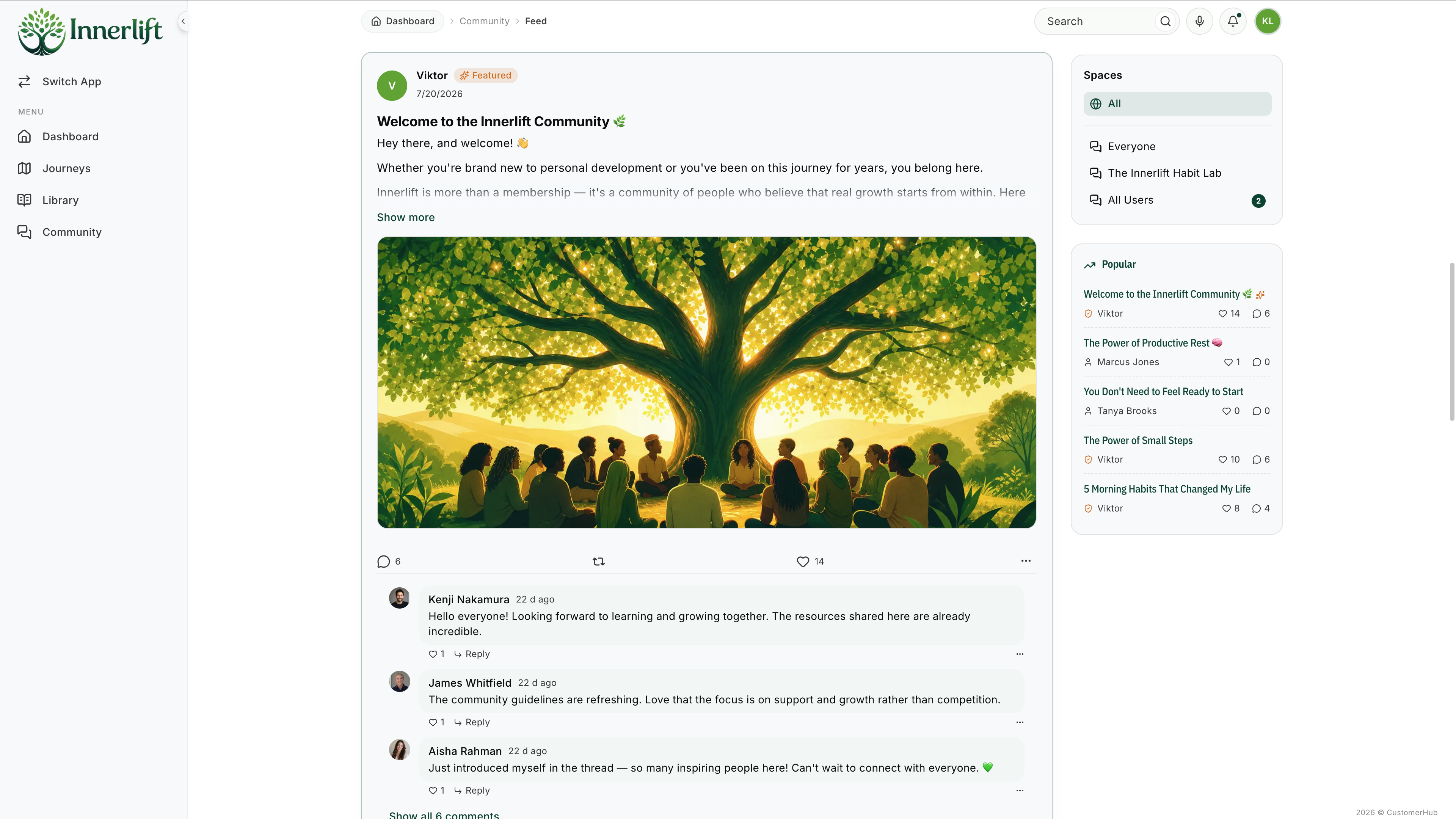
Community memberships where members connect through discussions, collaboration, and networking.
Creator memberships where audiences subscribe for exclusive articles, podcasts, or behind-the-scenes content.
Resource library memberships that provide templates, digital tools, or research materials.
Many successful businesses combine several of these models into a single membership experience.
Websites With Memberships: Why This Model Works
Many modern online businesses operate as websites with memberships rather than traditional product stores.
Instead of selling individual products, membership businesses create ongoing relationships with their customers through recurring subscriptions. Members pay monthly or annually to receive continuous value through education, community access, resources, or exclusive experiences.
This model works because members gain long-term support and structured learning rather than one-time transactions.
If you want to explore strategies for turning an audience into a recurring revenue community, read our guide on how to monetize a community.
Course Membership Website Examples

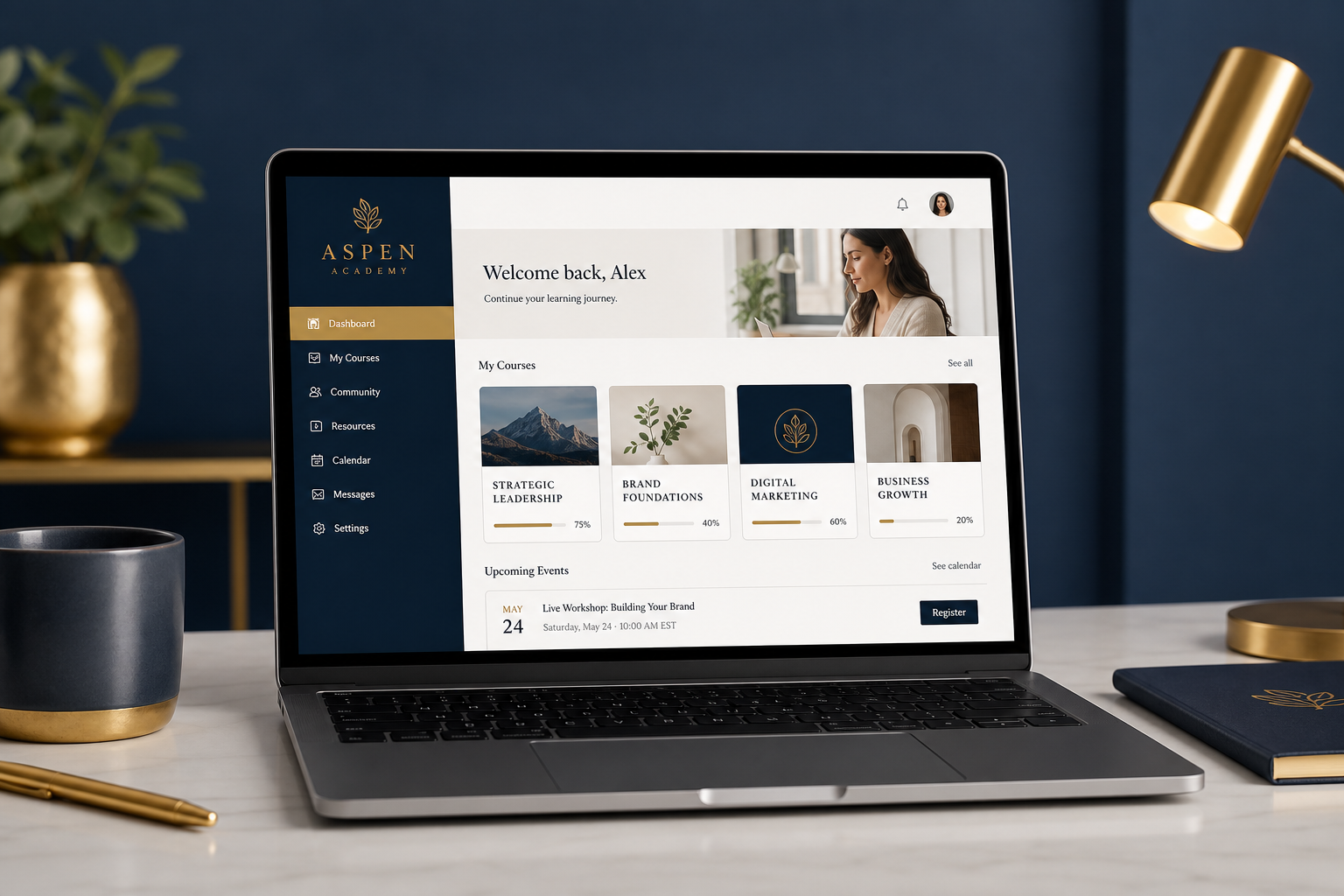
Many successful membership websites are built around education. Instead of selling standalone courses, these platforms provide continuous learning through structured programs and regularly updated content.
MasterClass offers subscription access to courses taught by world-class experts across business, cooking, writing, and creative fields.
Coursera Plus allows learners to access thousands of university-level courses through a single membership subscription.
Skillshare provides a membership library of creative and professional courses covering design, business, photography, and marketing.
Foundr+ delivers entrepreneurship training and business education through an ongoing membership model.
Copyblogger Academy focuses on digital marketing and content strategy education for entrepreneurs.
Course-based memberships succeed when they combine structured learning paths with consistent engagement. If you are designing an educational membership, our guide to online course design best practices explains how to structure lessons and improve completion rates.
Community Membership Website Examples
Some membership businesses focus primarily on community interaction and peer learning. Members join to connect with others, exchange ideas, and participate in discussions.
Indie Hackers is a well-known community for startup founders and independent entrepreneurs.
Trends by The Hustle offers research insights and a private community for business builders.
Online Geniuses is a marketing community where professionals share strategies and resources.
Exit Five is a membership community designed for B2B marketing professionals.
Community memberships often thrive when discussions are combined with structured education or curated resources.
If you are evaluating tools for building communities like these, our guide to community platforms explains how different platforms support engagement and growth.
Creator Membership Website Examples
Many creators build successful businesses by offering exclusive content through memberships.
Patreon creators often deliver bonus podcast episodes, videos, and behind-the-scenes material to paying subscribers.
Substack newsletters allow writers to monetize their audience with premium articles and insights.
Stratechery provides in-depth analysis of the technology industry through a paid newsletter membership.
Lenny's Newsletter offers product management insights and startup strategy content for subscribers.
These membership models succeed because they deliver consistent value while building strong relationships with audiences.
Resource Library Membership Examples
Another powerful membership model is the digital resource library.
Instead of offering courses or discussions, these memberships provide practical tools that help members complete tasks faster.
Envato Elements gives members unlimited downloads of design assets, templates, and creative resources.
Creative Market memberships offer premium design resources for creators and marketers.
Many productivity creators now build membership libraries around Notion templates and workflow systems.
These memberships work well because they provide immediate, practical value.
If you are interested in building a resource-based membership, our guide to digital product monetization explains how creators turn digital assets into recurring revenue.
What Successful Membership Websites Have in Common
Although membership businesses vary widely, the most successful ones share several key characteristics.
First, they provide a clear transformation or outcome. Members join because they want to learn a skill, grow their business, or connect with like-minded people.
Second, they provide structure. Instead of overwhelming members with content, successful platforms guide users through a clear experience.
Third, they maintain consistent engagement through new content, discussions, events, or updates.
Finally, strong membership websites create a sense of belonging. Members feel connected to the community and motivated to continue participating.
These elements are essential for improving retention and reducing churn.
What Makes a Great Membership Website Platform
Choosing the right platform is one of the most important decisions when building a membership website.
A strong membership platform should make it easy to onboard new members with a clear starting point. It should also help you organize courses, resources, and community content in a structured environment.
Progress tracking, easy navigation, and a smooth experience across devices are also essential.
Many platforms focus heavily on marketing and checkout tools, but the most successful memberships focus on what happens after members join. Structured onboarding and guided learning paths often make the biggest difference in long-term engagement.
If you are comparing options, our guide to membership platforms for coaches and creators breaks down the main categories and how they differ.
How to Start a Membership Website
Starting a membership website does not require a complex technical setup. Most creators begin with three simple steps.
First, define the outcome your membership will help members achieve. A clear transformation makes the value of the membership easy to communicate.
Second, design the structure of your membership experience. Decide whether your membership will include courses, a community, resources, or a combination of these elements.
Finally, choose a platform that helps you deliver this experience smoothly while keeping members engaged over time.
Where CustomerHub Fits
Many platforms focus primarily on selling memberships. But the real challenge often begins after someone joins.
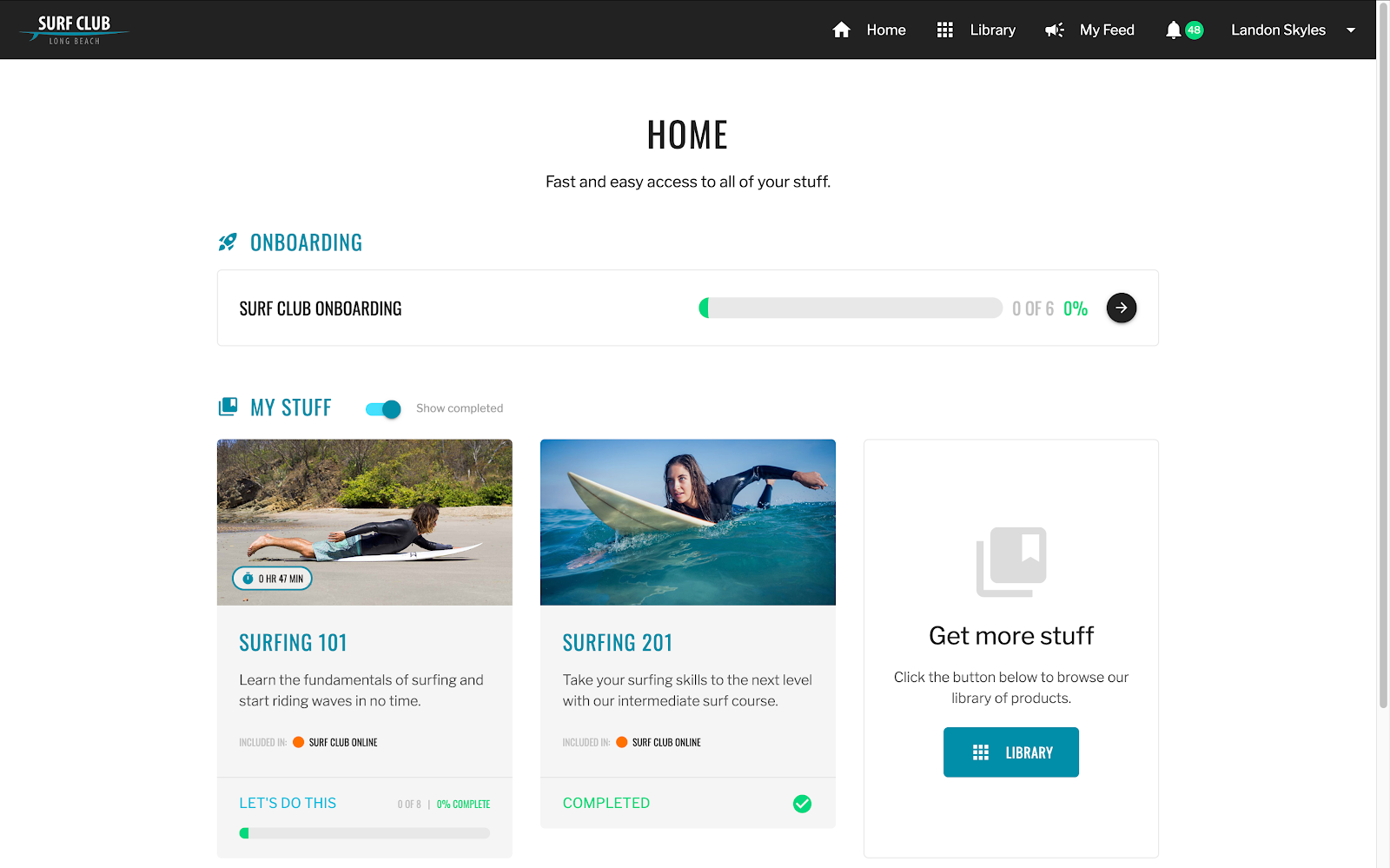
CustomerHub focuses on the post-purchase experience, where onboarding, structured learning, and community engagement happen.
Instead of replacing your entire tech stack, CustomerHub acts as a clean hub where members access courses, resources, and community conversations in one organized environment. This structure helps creators guide members through clear learning paths and maintain engagement over time.
If you want to build a membership experience that keeps members active rather than overwhelmed by content, CustomerHub helps you deliver that structure.
Final Thoughts
Membership websites have become one of the most powerful business models in the digital economy. They create predictable revenue, stronger customer relationships, and opportunities to deliver meaningful transformation.
By studying real membership website examples, you can understand how different models work and identify the approach that best fits your audience.
The most successful memberships combine education, engagement, and ongoing value. When those elements come together in a structured experience, members stay longer and achieve better results.
FAQs About Membership Websites
What is a membership website?
A membership website is an online platform where users pay a recurring subscription to access exclusive content, courses, resources, or community features.
How do membership websites make money?
Most membership websites generate revenue through monthly or annual subscriptions that provide continuous value to members.
What platforms can be used to build membership websites?
Membership websites can be built using platforms designed for courses, communities, or digital products. The best option depends on the type of experience you want to deliver to members.
What makes a membership website successful?
Successful membership websites provide clear value, structured experiences, ongoing engagement, and strong community interaction.