If you are researching community platforms or planning to build member websites, you are not just choosing software.
You are designing the system that determines whether members stay engaged or quietly churn.
At first glance, the two terms sound interchangeable.
They are not.
Choosing the wrong structure affects onboarding, engagement, retention, and recurring revenue. Understanding the difference allows you to build an experience members continue using long after they join.
In this guide, you will learn:
- What community platforms are
- What member websites are
- The key differences between them
- When to use each
- Why most modern businesses need both
What Are Community Platforms?
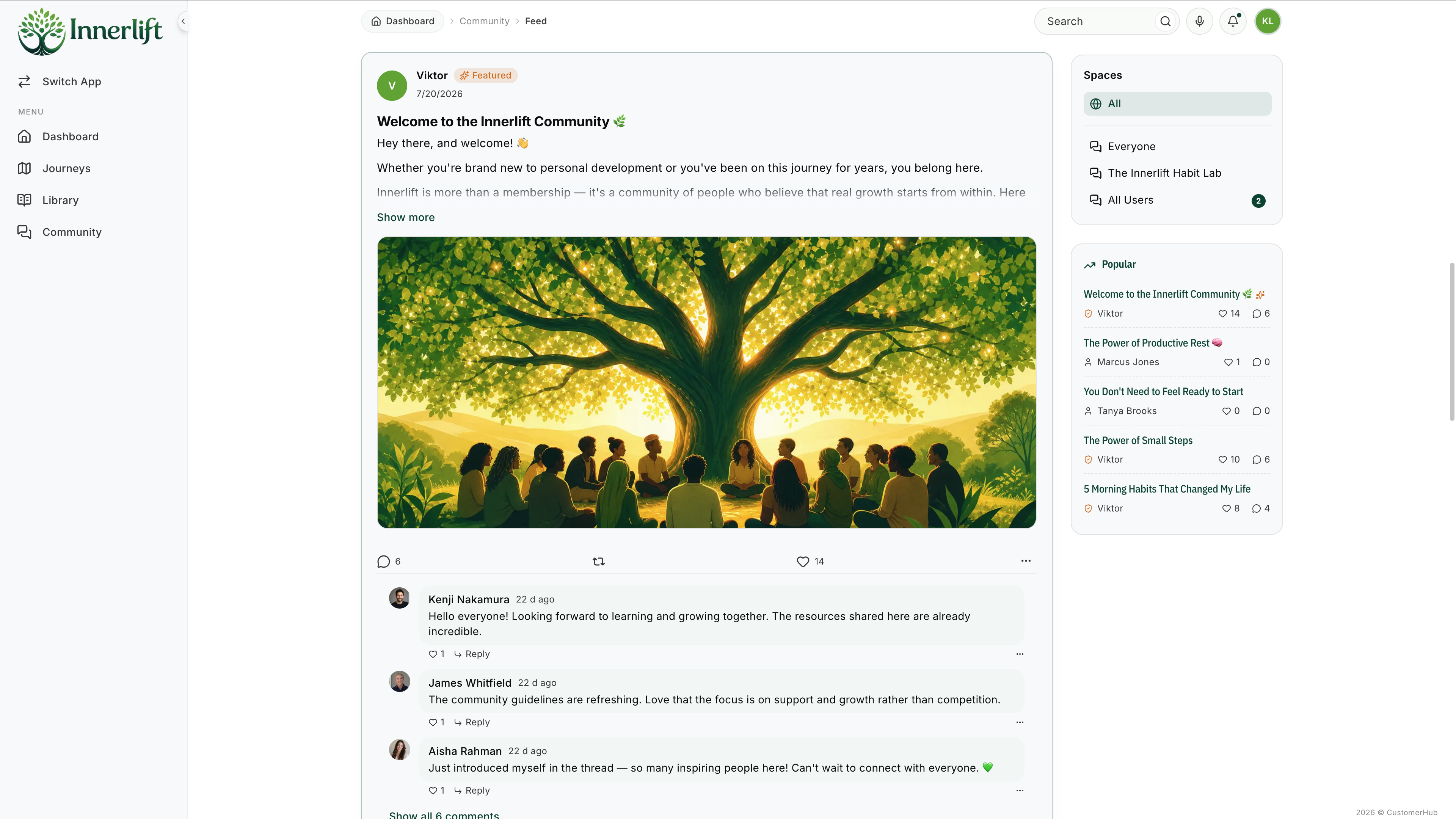
Community platforms are digital tools designed to facilitate interaction inside a private or gated space.

They typically include:
- Member profiles
- Discussion feeds or forums
- Direct messaging
- Notifications
- Moderation tools
Their primary function is conversation.
Community platforms are ideal for:
- Peer networking
- Mastermind groups
- Ongoing discussion
- Support-based programs
However, many community platforms prioritize activity over structure. Without clear onboarding, defined pathways, or visible progress, engagement often declines over time.
For a deeper breakdown of platform types and features, see our guide to Community Platforms: Types, Features & How to Choose One That Drives Engagement (2026 Guide)
What Are Member Websites?
Member websites are private, gated websites where users log in to access exclusive content, resources, programs, or communities.
Unlike standalone community platforms, member websites typically include:
- Structured content libraries
- Courses or learning modules
- Gated downloads
- Recurring billing systems
- Controlled onboarding flows
Their primary function is structured delivery and controlled access.
Member websites work best for:
- Online courses
- Paid memberships
- Coaching programs
- Resource libraries
- Subscription communities
They provide clarity and organization. But without integrated engagement, member websites can feel static.
If monetization is your goal, our guide to How to Monetize a Community explains how member websites support recurring revenue.
Community Platforms vs Member Websites: The Core Difference
The difference comes down to purpose.
Community platforms focus on:
- Interaction
- Discussion
- Peer connection
- Social engagement
Member websites focus on:
- Gated access
- Structured learning
- Organized resources
- Recurring billing
A community platform answers:
“How do members interact?”
A member website answers:
“What do members access?”
Successful membership businesses need to answer both.
When You Should Use a Community Platform
Choose a community platform if:
- Your primary value is peer interaction
- Members benefit from networking
- Discussion drives engagement
- You run mastermind or accountability groups
In these cases, conversation is central.
But conversation alone rarely sustains long-term retention.
When You Should Build a Member Website
A member website is essential if:
- You deliver structured education
- You offer gated digital resources
- You charge recurring subscription fees
- You need clear onboarding control
- You want predictable revenue
Member websites create clarity and progression.
If you are evaluating your options, review Best Membership Platforms for Coaches and Creators (2026 Guide) to compare structured solutions.
Why Most Businesses Need Both
The real solution is not community platforms or member websites.
It is integration.
Community without structure becomes chaotic.
Structure without engagement becomes passive.
Modern membership and education businesses combine:
- Guided onboarding
- Structured content delivery
- Embedded community interaction
- Visible progress tracking
This shift reflects the rise of AI-powered education platforms, where engagement and progression are built directly into the user experience.
The goal is not more content.
It is sustained momentum.
The Retention Factor Most Creators Overlook
Many businesses focus heavily on acquisition.
Few optimize what happens after login.
Without:
- Clear starting points
- Defined learning paths
- Progress visibility
- Built-in reinforcement
Engagement declines and churn increases.
Retention is driven by clarity.
The strongest systems combine the engagement strengths of community platforms with the structured foundation of member websites.
Where CustomerHub Fits
CustomerHub bridges the gap between community platforms and member websites.
Instead of forcing creators to choose between conversation and structure, it integrates:
- Guided onboarding
- Organized content delivery
- Gated member access
- Embedded community
- Progress tracking
CustomerHub acts as a clean, branded member hub where education and engagement work together.
Rather than replacing your entire tech stack, it strengthens the post-sale experience where retention happens.
The objective is not more features.
It is better follow-through.
How to Decide What You Need
Ask yourself:
- Is my biggest challenge engagement or structure?
- Are members working toward a defined outcome?
- Do I need conversation, gated content, or both?
- Am I optimizing for acquisition or long-term retention?
If you are building a recurring business model, integrating the strengths of community platforms and member websites is often the most effective long-term strategy.
Ready to Build a Structured Member Experience?
If you are comparing community platforms or planning to build member websites, focus on what happens after someone joins.
CustomerHub helps coaches, creators, and membership businesses combine onboarding, structured learning, and community into one focused hub designed to improve activation and reduce churn.
Start free and build a member experience people return to.
FAQs About Community Platforms and Member Websites
What is the difference between community platforms and member websites?
Community platforms focus on interaction and discussion, while member websites focus on gated access and structured content delivery. Many successful businesses integrate both.
Can a member website include a community?
Yes. Many modern member websites include built-in community features to improve engagement and retention.
Are community platforms profitable?
They can be, especially when paired with recurring memberships or structured programs that provide clear progression and ongoing value.
What is the best way to build a member website?
Use a platform that supports structured onboarding, gated access, and integrated engagement so members remain active and engaged long-term.