If you are researching community platforms, you are likely trying to solve one core problem:
How do I keep people engaged after they join?
Community platforms promise connection and conversation. But not all of them create momentum. Some become quiet forums. Others turn into noisy group chats with no direction.
The difference is not activity.
It is structure.
In this guide, you will learn:
- What community platforms are
- The different types available
- The features that actually matter
- How community platforms compare to membership platforms
- How to choose one that improves retention
If you are building a paid membership or education business, this decision directly impacts recurring revenue.
What Are Community Platforms?
Community platforms are software tools that allow creators, coaches, and businesses to host private conversations, share content, and facilitate interaction inside a dedicated digital space.
Most include:
- Member profiles
- Discussion feeds or threads
- Content sharing
- Notifications
- Moderation tools
Some focus purely on conversation. Others integrate courses, digital products, and memberships into the experience.
If your goal is recurring revenue, community rarely stands alone. It usually connects to a broader monetization model. Our guide to How to Monetize a Community explains how community fits into a complete recurring revenue structure
Types of Community Platforms
Not all community platforms solve the same problem. Understanding the category helps you choose intentionally.
Social-Style Community Platforms
These resemble Facebook groups or forums and prioritize posting and conversation.
Strength: High interaction
Weakness: Limited structure and progression
Without guided pathways, engagement often fades after the initial surge.
Course-Integrated Community Platforms
These combine structured lessons with discussion areas.
Strength: Better learning support
Weakness: Often content-heavy without strong onboarding
Strong structure improves outcomes. See Online Course Design Best Practices for Every Creator for deeper strategy.
Membership-Focused Community Platforms
These combine recurring billing, gated access, and private interaction spaces.
They are built for monetized communities.
If you are comparing tools in this category, review Best Membership Platforms for Coaches and Creators (2026 Guide) to see how different systems approach retention and engagement.
Outcome-Focused Community Platforms
This newer category integrates onboarding, guided progression, and community into one structured experience.
Instead of relying only on conversation, these platforms emphasize:
- Clear starting points
- Visible milestones
- Guided learning paths
- Reinforcement
This model closely aligns with modern AI-powered education platforms, where structured journeys improve completion and retention.
Community Platforms vs Membership Platforms
Community platforms prioritize interaction.
Membership platforms prioritize access and recurring revenue.
Long-term success requires both.
A community without structure becomes chaotic.
A membership without engagement becomes static.

The most effective systems combine onboarding, structured learning, and community inside one cohesive environment.
If you are evaluating broader software options, explore Kajabi Alternatives: How to Choose the Right Platform for Better Customer Outcomes, especially if post-sale engagement is your main concern.
What to Look for in Community Platforms
Avoid choosing based only on design or feature count.
Prioritize:
Clear Onboarding
Does the platform guide members to a starting point, or drop them into an open feed?
Structured Progression
Can you organize experiences around goals, or is content buried in threads?
Built-In Reinforcement
Are milestones, reminders, or progress indicators embedded into the experience?
Content and Community Integration
Can education, digital products, and discussion live together seamlessly?
Scalability
Can the platform grow without becoming cluttered?
Engagement is not constant activity. It is sustained progress.
Why Structure Matters More Than Activity
Many community platforms measure success by posts and comments.
But activity alone does not create retention.
Members disengage when they:
- Feel overwhelmed
- Do not know where to begin
- Cannot see progress
- Lose clarity about outcomes
Modern platforms are shifting toward guided journeys rather than open feeds. This shift mirrors the rise of structured AI-powered education platforms, where guidance is embedded directly into the experience.
Common Mistakes When Choosing a Community Platform
- Choosing based on popularity
- Overprioritizing features
- Ignoring post-sale experience
- Separating community from structured delivery
If marketing is working but retention is not, the problem is rarely acquisition. It is structure.
Where CustomerHub Fits
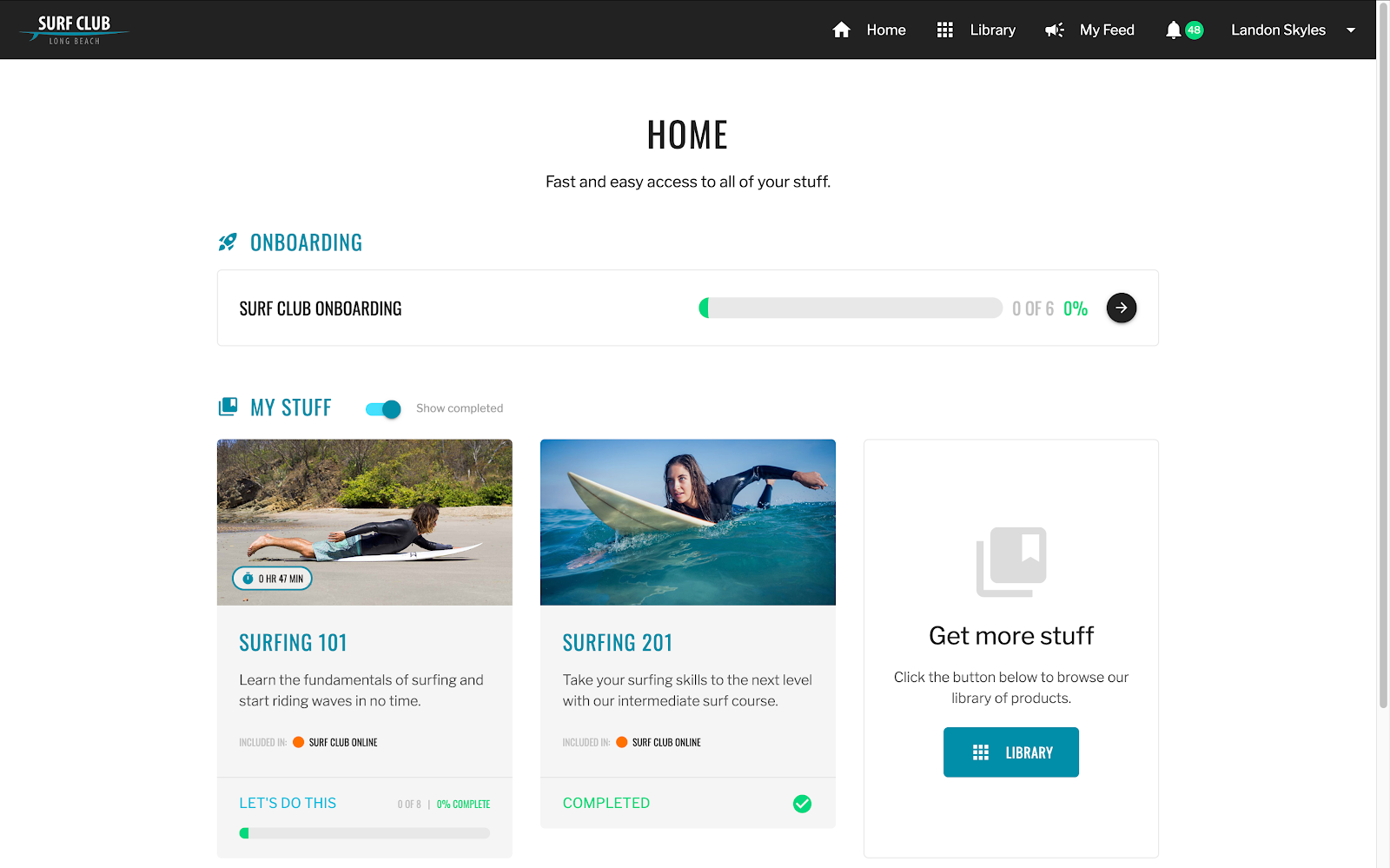
CustomerHub approaches community differently.
Instead of acting as a standalone social feed, it integrates onboarding, structured education, and community inside one focused membership hub.
Creators use CustomerHub to:
- Guide members through clear starting points
- Combine structured learning with conversation
- Improve activation and engagement
- Reduce churn through visible progression
Rather than replacing your entire marketing stack, CustomerHub strengthens what happens after someone joins.
The objective is not more conversation. It is sustained momentum.
How to Choose the Right Community Platform
Ask:
- Is my biggest challenge acquisition or retention?
- Do I need conversation, structure, or both?
- Are members working toward a defined outcome?
If your goal is long-term recurring revenue, choose a platform that supports onboarding, guided progression, and community interaction together.
That is what drives retention.
Ready to Build a Community That Retains?
If you are evaluating community platforms, focus on what happens after members join.
CustomerHub helps coaches, creators, and membership owners combine onboarding, structured education, and community in one simple hub designed to improve activation and reduce churn.
Start free and build a community experience your members stay in.
FAQs About Community Platforms
What are community platforms?
Community platforms are software tools that allow businesses and creators to host private member discussions, share content, and facilitate interaction inside a dedicated digital space.
What is the best community platform?
The best community platform depends on your goals. If retention and structured progression matter, look for platforms that combine onboarding, learning pathways, and community rather than conversation alone.
Are community platforms profitable?
Yes. When paired with recurring memberships or structured programs, community platforms can increase engagement, retention, and customer lifetime value.
What is the difference between a community platform and a membership platform?
Community platforms focus on conversation and interaction. Membership platforms focus on recurring access and structured delivery. The strongest systems integrate both to improve retention and long-term growth.